

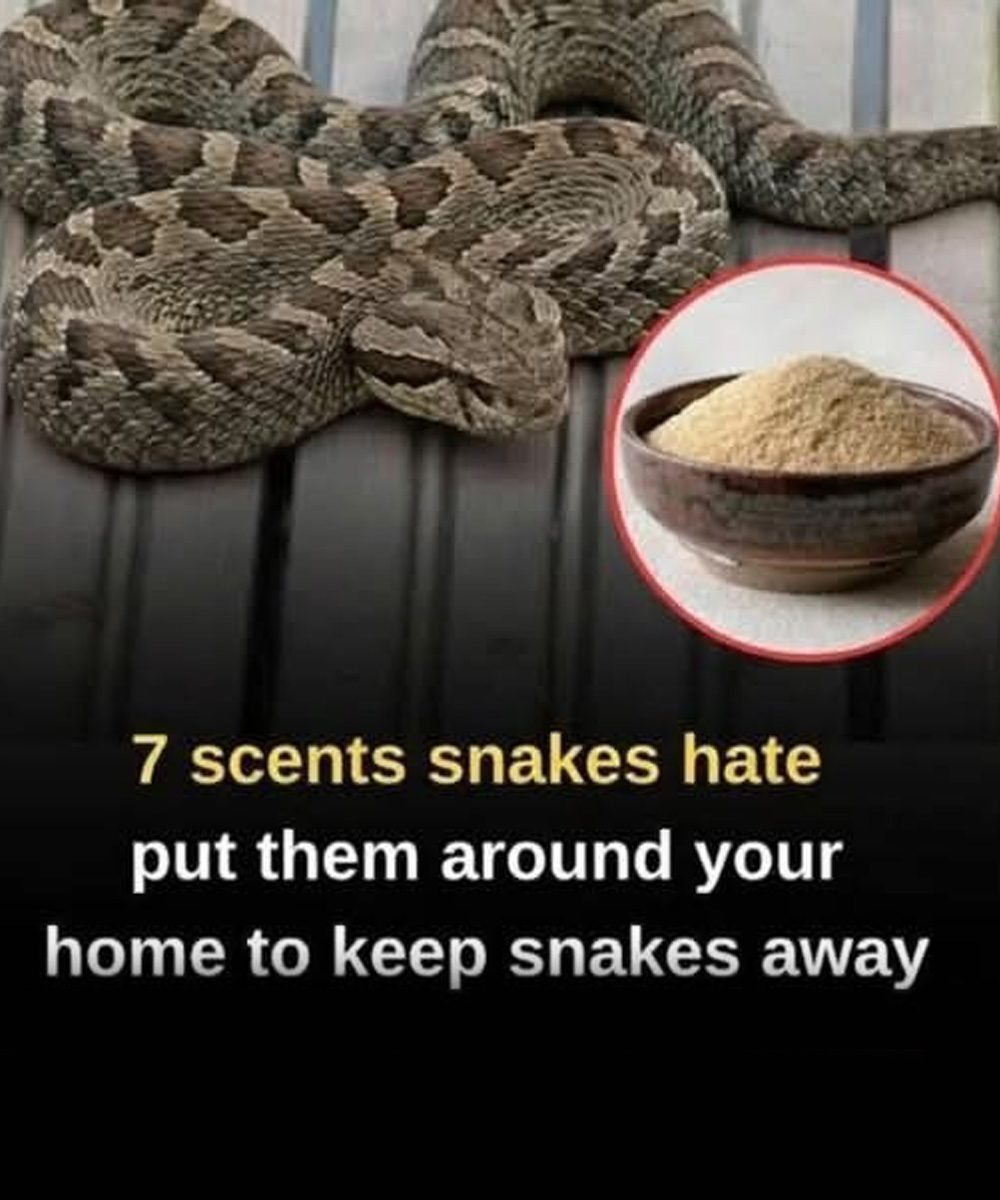
White vinegar
White vinegar is among the common solutions used in areas where moisture is present, such as the edges of ponds, poolside decks, or damp crawl spaces. It is highly acidic, and its strong smell is thought to interfere with a snake’s ability to “taste” the air properly.
It may work in situations that require a quick, targeted response, but white vinegar acts as a non-selective herbicide. It can damage plants and alter the pH balance of your soil, so it’s not something you should use extensively in your garden.
Garlic and onions

These two have their pungent sulfur smell, particularly once they’re diced up or minced, that supposedly drives snakes crazy.
People will leave these out near entrances, or make their own “smell sprays,” but here’s the rub: Once that stuff starts to decompose, it attracts all sorts of critters, including insects and vermin—animals that snakes prey upon. In addition, onions and garlic are actually dangerous for dogs and cats to eat. And again, the science on whether a snake actually cares about the smell of your kitchen scraps is pretty thin.
Citrus, lemongrass, and citronella
Citrus and other plants such as lemongrass and citronella are some of the most popular organic pesticides out there. These are the plants with strong fragrances that we usually love, yet bugs, and according to some snakes too, don’t.
Lemongrass stands out since it works against insects. The fewer insects you have, the fewer foods snakes will come for in your garden. In terms of citrus, you can use either dried or diluted fruit oils on patios. Yet, since they degrade very quickly, they need to be frequently reapplied, especially right after rainy days.
Cedar oil and cedar mulch
Cedar has its natural oils, which produce the distinct “closet” odor, said to be particularly unpleasant for reptiles. Adding cedar mulch to your landscaping will also prove helpful since it helps maintain a dry environment that won’t attract insects.
This choice seems attractive, practical, and decorative; however, it is not an ultimate solution. One more aspect to consider is that it may drive away beneficial insects as well.
Peppermint oil
Due to that intense menthol kick, peppermint oil is a frequent flyer on these lists. The thought is that the smell is just too overwhelming for a snake’s sensitive Jacobson’s organ to handle.
On the other hand, it is necessary be very careful when using peppermint oil if there are any animals around your home. It is highly toxic to cats and can also make dogs sick if they inhale it or come into contact with it.
The reality check
Though all the scents listed here might be an interesting topic of conversation, none of them is guaranteed to work. Whether or not the effectiveness will be achieved, along with the degree of success that might be reached, will depend on weather conditions, type of snakes, and dosage applied.
You should have in mind that a lot of these methods can also accidentally hurt your plants or put your pets at risk. That’s why it’s better to think of scents as a tiny, optional “extra” rather than your main line of defense.
In fact, the best way to protect your property from snakes isn’t with bottles of oil; it’s with some yard work. Snakes have no reason to stick around without food sources (like rodents) and places to hide (such as tall grass or debris).
Add some basic maintenance to your snake-proofing efforts, along with securing your home’s perimeter, and you’ll see far better results than with any spray you could make from vinegar or garlic.
It is easy to comprehend why we would desire a “magic smell” that could solve our problem. It seems straightforward and effortless. Snakes, however, do not think like us. Survival is their priority. If your yard satisfies their basic needs, then sprinkling a small amount of cinnamon will not deter them from staying put.
Once you understand that they’re just looking for a meal and a nap, it’s much easier to focus on the stuff that actually works. Prevention isn’t about finding the perfect perfume; it’s about making your space somewhere a snake doesn’t want to live.