
Loneliness is one of the most overlooked dangers in old age.
As time passes, social circles naturally shrink—friends may be gone, family members get busy, and distance makes connection harder. Gradually, interactions lessen, and days can become quiet and repetitive.
Isolation doesn’t just affect emotions—it also impacts physical health. It can weaken immunity, reduce memory function, and increase illness risk.
Even small connections can make a big difference. A short conversation, a visit, a phone call, or joining a group can bring back energy and enthusiasm. Older adults who stay socially connected often live longer and more fulfilling lives.
3. Declining mobility and its impact
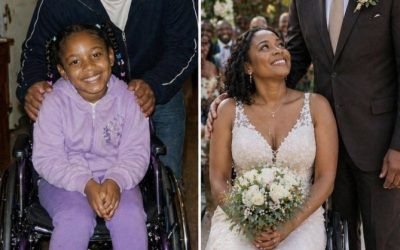
Reduced mobility tends to happen gradually, but its effects are significant.
At first, it may seem normal—slower movement, stiffness, or slight balance issues. But when these changes lead to avoiding activity, the situation worsens.
Less movement leads to weaker muscles, lower independence, and a higher risk of falls. Many people also withdraw from social activities due to fear or lack of confidence.
This creates a cycle: inactivity causes weakness, and weakness leads to even less activity.
The solution is simple—keep moving. Gentle exercises like walking, stretching, or light activities can help maintain strength, confidence, and independence.