
6. Rapid weight gain
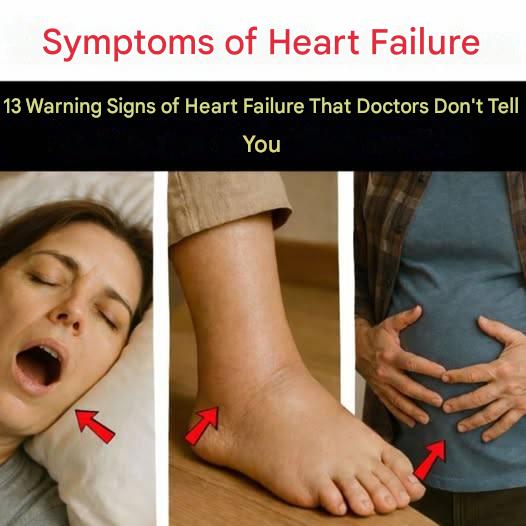
Gaining more than 2 kilos in just a few days is usually water retention , not fat.
It's a clear sign that the body is accumulating water due to heart failure.
7. Urinating frequently at night
When you lie down, the fluid that accumulates during the day returns to your bloodstream and is eliminated by your kidneys.
If you wake up several times a night, it could be an early sign.
8. Dry cough or wheezing when lying down
A cough that occurs while sleeping, especially with a bubbling sensation in the chest, may indicate fluid in the lungs.
9. Palpitations or irregular heartbeat
A weakened heart may beat chaotically or rapidly.
It feels like thumps, jumps, or vibrations in the chest.
10. Dizziness or feeling faint
When the heart does not send enough blood to the brain, dizziness, blurred vision, or a feeling of falling may occur.
11. Abdominal bloating and lack of appetite
Blood accumulates in the liver and abdomen.
This causes a feeling of fullness, nausea, and heaviness.
12. Shortness of breath when bending down
If you run out of breath when tying your shoes or bending forward, it's a sign called bendopnea , which is very specific to heart failure.
13. Cold hands and feet
When the heart does not pump enough force, the body prioritizes the brain and vital organs, leaving the extremities cold.
Why these symptoms should not be ignored
Heart failure rarely appears suddenly.
It builds slowly as the body compensates… until it can no longer cope.
Detecting it early can prevent hospitalizations, disability, and premature death.
Tips and recommendations
-
Don't ignore new changes in your breathing, energy, or weight.
-
Weigh yourself every day if you have swelling or a history of heart problems.
-
Avoid excess salt, alcohol, and ultra-processed foods.
-
Walk every day, even if it's just a little.
-
Sleep with your head slightly elevated if you are short of breath.
-
If several symptoms appear together, seek medical attention.
Your heart always gives you warning before it collapses.
Listening to these signs can make the difference between addressing a problem early and facing an emergency.
Paying attention today can save you tomorrow.