

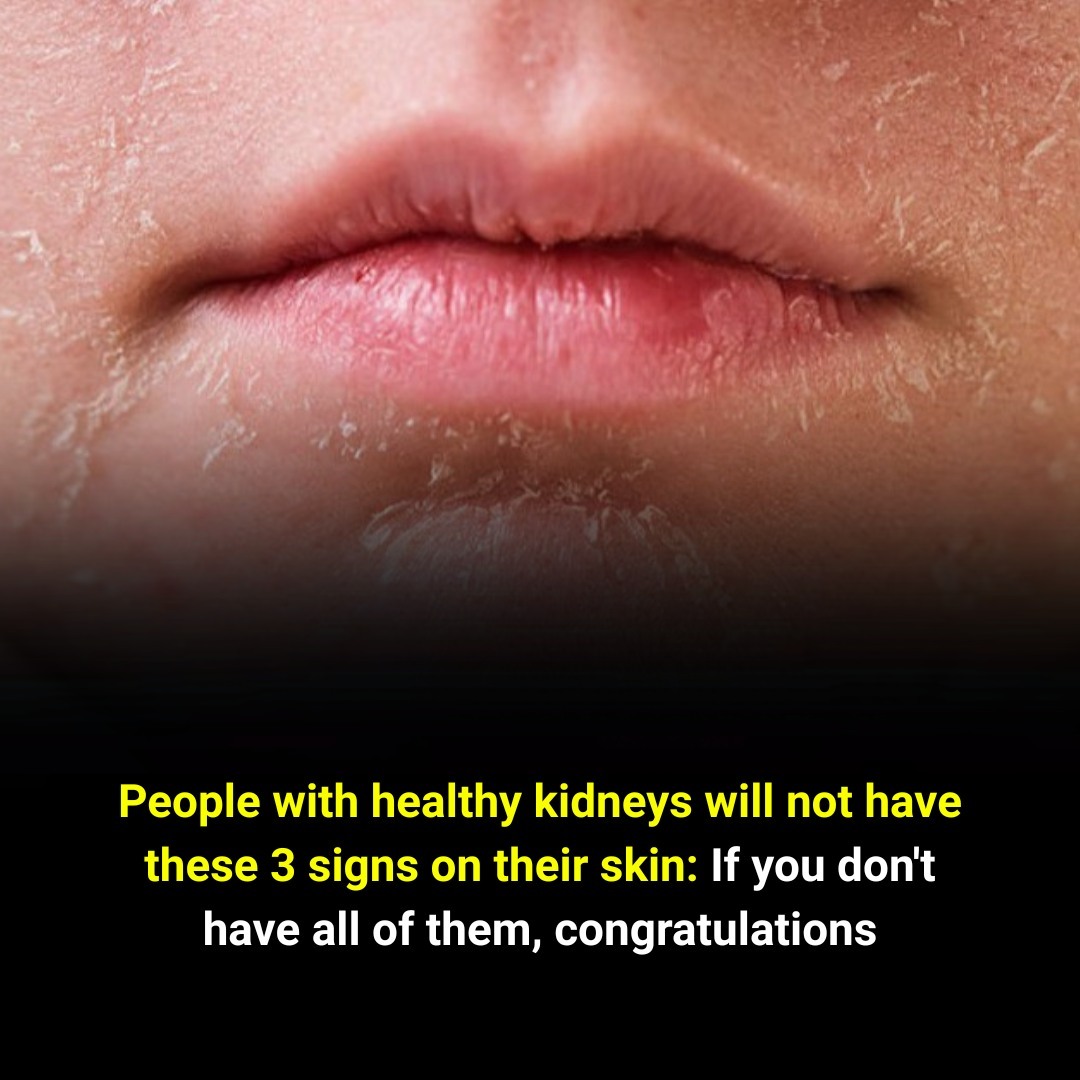
3 Skin Signs That Could Indicate Kidney Problems (If You Don’t Have Them, Congratulations!)

Your kidneys are small but mighty organs. They filter waste, balance fluids, regulate blood pressure, and help keep your body in perfect harmony. But when your kidneys aren’t functioning properly, your skin can often be one of the first places to show warning signs.
For people with healthy kidneys, these signs are usually absent. If your skin shows none of them, congratulations—you’re likely keeping your kidneys in great shape.
Here’s what to watch out for.
1. Pale or Yellowish Skin
Healthy kidneys help remove waste and maintain the right balance of red blood cells in your body. When kidney function declines, the body may produce fewer red blood cells, leading to anemia, which can make your skin appear pale or yellowish.
What it may indicate:
- Chronic kidney disease (CKD)
- Poor blood circulation related to kidney issues
- Toxin buildup in the body due to inefficient filtering
Tips for prevention:
- Stay hydrated to support kidney function
- Maintain a balanced diet rich in iron, vitamin B12, and folic acid
- Regularly monitor kidney function if you have risk factors such as diabetes or high blood pressure
2. Persistent Itching (Uremic Pruritus)
When kidneys are not functioning well, waste products can build up in the blood, a condition known as uremia. This can lead to persistent, unexplained itching, often without any visible rash.
Common areas affected:
- Back and arms
- Legs and abdomen
Why it happens:
- Waste accumulation irritates nerve endings
- Imbalance in calcium and phosphate levels can aggravate itching
Tips for relief and prevention:
- Avoid scratching to prevent skin damage
- Moisturize regularly
- Seek medical advice if itching persists—it could indicate early kidney problems
3. Swelling or Puffiness
Kidneys regulate fluid balance. When they are impaired, fluid can accumulate in the body, leading to swelling or puffiness, especially in:
- Hands
- Feet
- Around the eyes
Why it’s important:
- Swelling can indicate fluid retention, a hallmark of kidney dysfunction
- Persistent edema may also signal heart or liver problems, so medical evaluation is crucial
Tips for maintaining healthy fluid balance:

- Limit excessive salt intake
- Stay active to encourage circulation
- Monitor weight and swelling patterns regularly