

Can You Prevent or Treat IGH?
Since IGH is linked to sun exposure and aging, the best prevention is sun protection:
-
Use broad-spectrum sunscreen daily on exposed skin
-
Wear protective clothing when outdoors for long periods
-
Avoid tanning beds entirely
As for treatment: There’s no guaranteed way to make existing IGH spots disappear, but some people have success with:
-
Topical retinoids – May help stimulate pigment production
-
Cryotherapy – Freezing can sometimes trigger repigmentation (results vary)
-
Microneedling – Some evidence suggests it may help
-
Topical steroids – Prescribed by a dermatologist in some cases
Important: These treatments should only be pursued under a dermatologist’s guidance. What works for one person may not work for another.
When to See a Doctor
While IGH is harmless, it’s always wise to have new or changing skin spots checked by a professional. See a dermatologist if:
-
The spots are changing in size, shape, or color
-
You have only one spot (rather than many)
-
The spot is growing or spreading
-
You have a personal history of skin cancer
-
You’re simply concerned and want peace of mind
A dermatologist can examine the spots, often with a special magnifying tool called a dermatoscope, and confirm the diagnosis.
The Emotional Side of White Spots
For many people, the biggest concern about white spots isn’t medical—it’s cosmetic. They notice them and worry about how they look, especially in summer when skin is more exposed.
A few thoughts:
-
These spots are extremely common, especially as we age. You’re in good company.
-
Most people don’t notice them nearly as much as you do.
-
If they bother you, sunless tanner can help blend them temporarily.
-
They’re a sign of sun exposure over many years—not a sign of illness or disease.
The Bottom Line
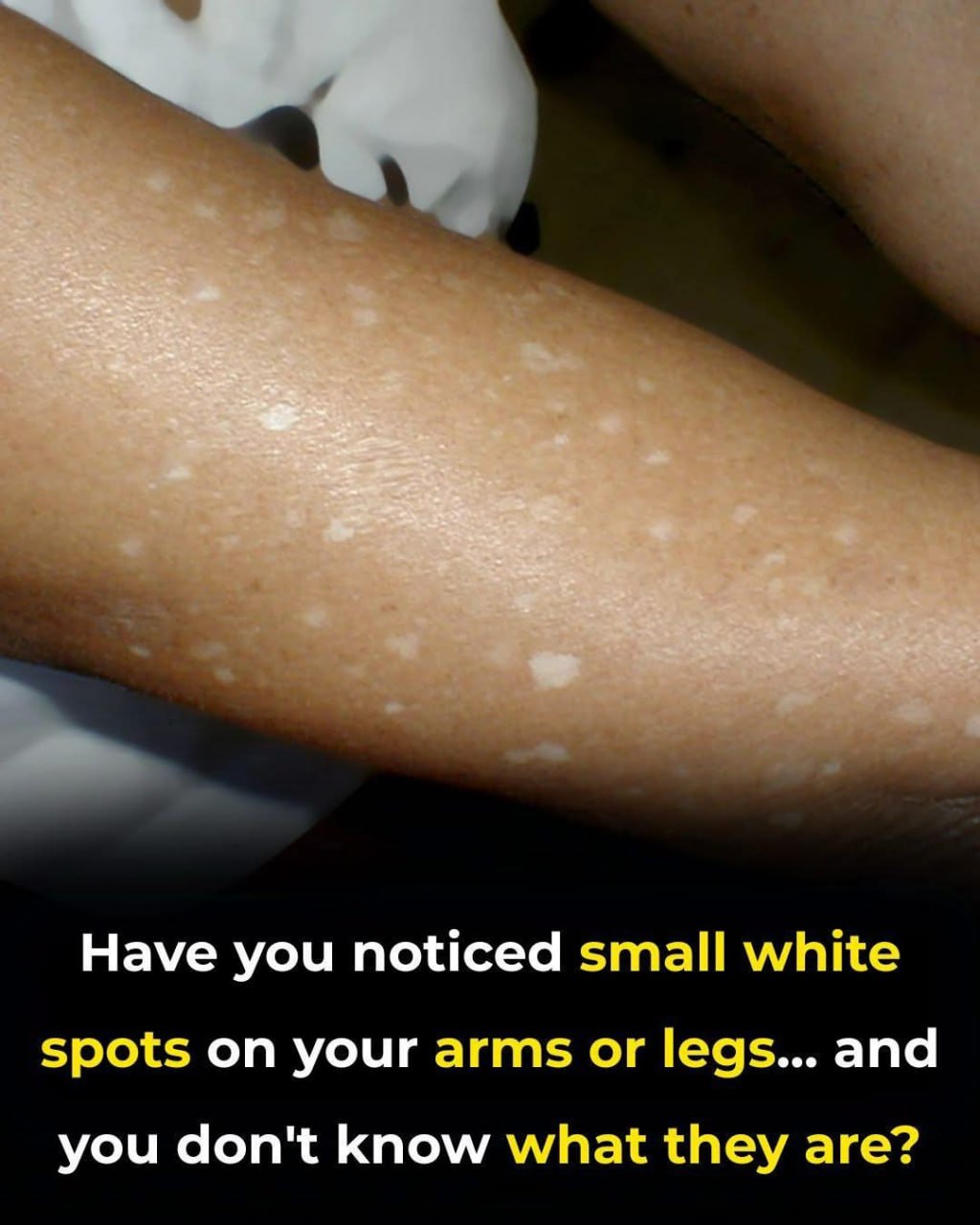
Those small white spots on your arms or legs are most likely idiopathic guttate hypomelanosis—a harmless, common condition linked to sun exposure and aging. They’re not dangerous, not contagious, and not a sign of anything wrong with your health.
If they bother you cosmetically, talk to a dermatologist about options. If they don’t, simply consider them part of your skin’s unique story—evidence of all the sunny days you’ve enjoyed over a lifetime.
Either way, you can stop worrying. Your spots are almost certainly nothing to worry about.