
Take a look at your hands—what do they look like? If you’re a woman, your fingernails are probably painted with nail polish. In many career environments and social circles, nail polish is seen as an essential part of proper hygiene and presentation. But this social expectation may come with potential health effects. (Updated Apr 4, 2023)
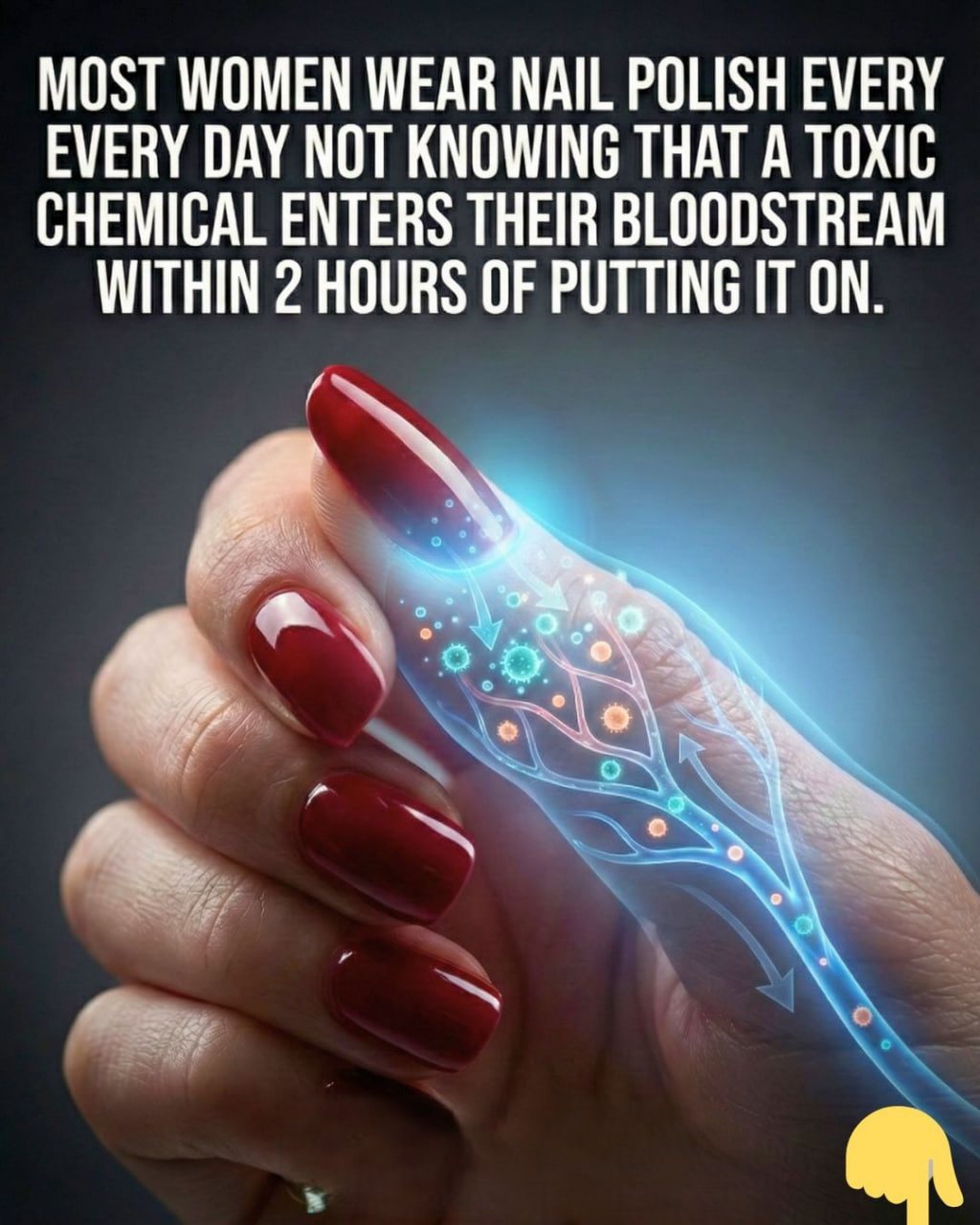
A study conducted by Duke University and the Environmental Working Group, published in Environment International, found that chemicals in nail polish can enter the bloodstream in noticeable amounts within as little as two hours after application.
The study examined urine samples from 24 women for diphenyl phosphate (DPHP), which forms when the body metabolizes triphenyl phosphate (TPHP), a chemical commonly found in nail polish. Within 10–14 hours of applying nail polish, levels of DPHP increased by nearly sevenfold.
These chemicals have been associated with potential health concerns, including hormone disruption, infertility, hormone-related cancers such as breast and ovarian cancer, prostate issues, thyroid disorders, neurological problems, diabetes, and obesity.
“Nails aren’t permeable to most molecules, but TPHP could be absorbed into the cuticle or the skin around the nail,” says Johanna Congleton, a senior scientist with the Environmental Working Group and co-author of the study.
Chemicals can also enter the body through inhalation (especially in enclosed spaces like nail salons) or ingestion (for example, through nail biting).
“It is very troubling that nail polish marketed to women and teenage girls contains a suspected endocrine disruptor,” says Congleton. “It is even more concerning to learn that their bodies absorb this chemical relatively quickly after application.”
Although TPHP is not a necessary ingredient, it is used as a plasticizer to improve the flexibility and durability of nail polish.
In a follow-up study, researchers tested 10 different nail polishes and found TPHP in 8 of them. Notably, two of the products that tested positive did not list the chemical on their labels. These brands were widely available in drugstores and beauty shops across North America.
Other Chemicals in Nail Polish
Several other chemicals are commonly found in nail polish and related products:
- Formaldehyde: A known carcinogen that can cause respiratory irritation. Symptoms of exposure include coughing, asthma, and throat irritation. People with respiratory conditions should avoid exposure when possible.
- Dibutyl phthalate (DBP): A plasticizer and endocrine disruptor. Long-term exposure may affect liver and kidney function, particularly in children.
- Toluene: A mild skin irritant and potential developmental toxin. It can be especially harmful to pregnant or nursing individuals, as it may enter the bloodstream and breast milk. Inhalation can cause headaches, drowsiness, and respiratory irritation.
Who’s at Risk?
Nail polish is a common cosmetic that many people use without much thought. Some parents even enjoy painting their children’s nails.
Surveys have shown that a large percentage of young girls use nail products regularly, with some using them daily.
According to the Environmental Working Group’s Skin Deep database, over 1,500 nail products—including those from major brands—contain TPHP. The study also found that each additional layer of nail polish increases chemical exposure, with clear polish (often used as a base or top coat) containing particularly high levels.
“It is alarming to think that something as simple as nail polish could expose us to potentially harmful chemicals,” said environmental advocate Erin Schrode.
How to Protect Yourself
One major issue is that product labels do not always accurately reflect the ingredients. Some products labeled as “non-toxic” may still contain concerning chemicals.
Experts warn that consumers cannot always rely on labeling claims, and that these exposures are not insignificant.
To reduce risk, consider limiting the use of nail polish, especially in poorly ventilated environments like nail salons. Alternatives include:
- Buffing nails for a natural shine
- Pushing back cuticles and applying natural oils (such as coconut oil)
- Choosing products marketed as safer alternatives (while still being cautious)