
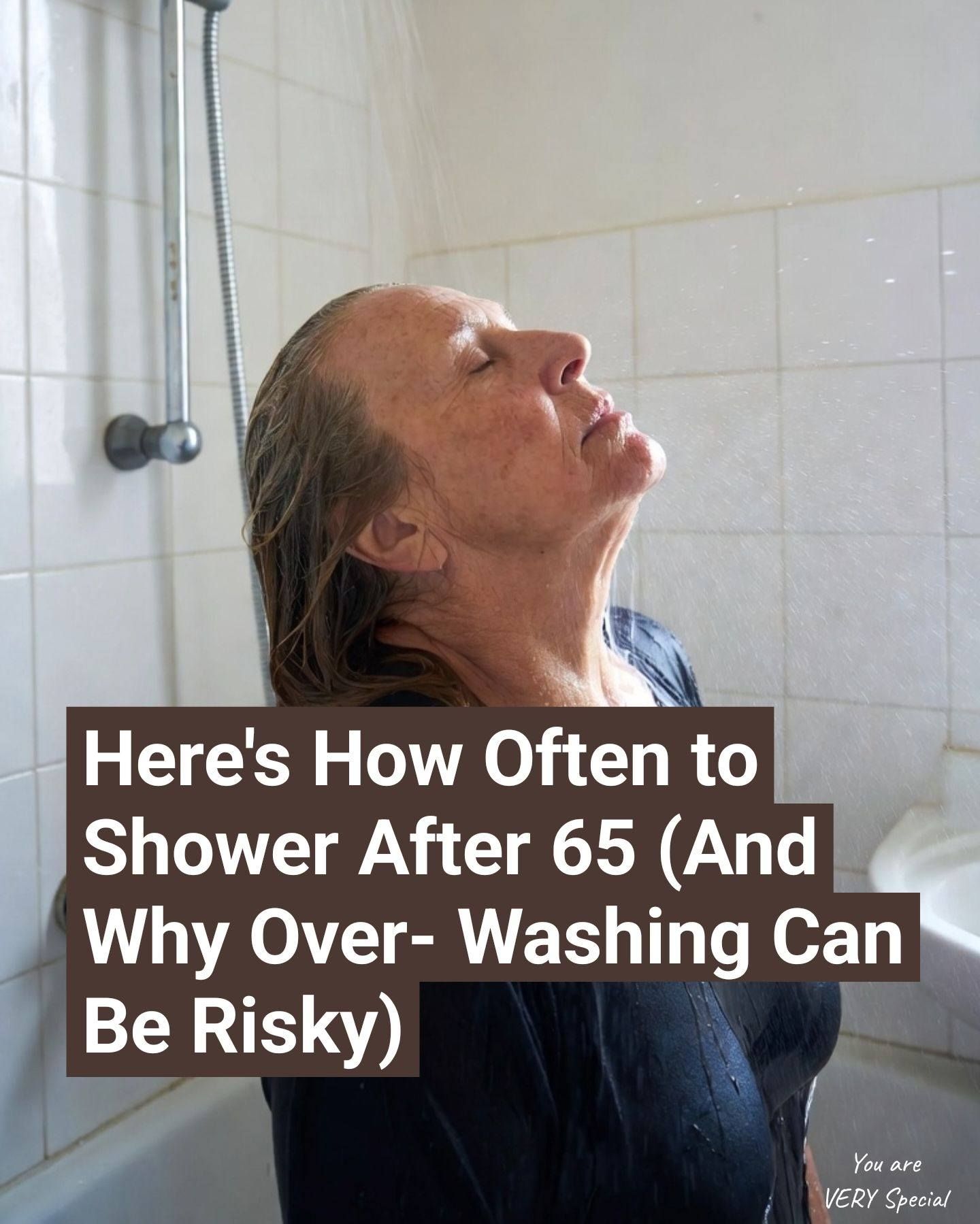
If you are over 65 and your skin feels drier, itchier, or more sensitive than before, you are not imagining it. Getting older naturally changes your skin. It may not just be your moisturizer — your shower habits could also be part of the reason.
Many people keep the same shower routine they had when they were younger, like taking long, hot showers every day. But after 65, your skin becomes thinner and more delicate. What used to feel refreshing may now cause dryness and irritation.
You might notice tight skin, flaking, or discomfort even though you feel clean.
Why Skin Changes After 65
As we age, our skin becomes thinner and weaker. The body produces less natural oil, less collagen, and the skin loses elasticity. Because of this, it becomes harder for the skin to keep moisture and heal itself.
When you were younger, your skin could handle long, hot showers and frequent washing. Now, those same habits can remove natural oils faster than your body can replace them.
This can cause:
- Ongoing dryness
- Itching
- Redness
- Sensitive skin
- Rough or flaky texture
These problems usually develop slowly over time.
How Hot Water and Soap Affect Your Skin
Hot water feels good, especially when it’s cold outside. But very hot water can damage the skin’s protective barrier. This barrier keeps moisture in and protects your skin from irritation.
Long showers, strong soaps, and heavily scented body washes can make dryness worse. Scrubbing hard with washcloths or loofahs can also damage fragile skin.
After showering, your skin may feel tight. Lotion might not seem to work as well, and dryness may come back quickly.
Often, the problem isn’t cleanliness — it’s how the cleaning is done.
Continued on next page: